the quiet science behind vapor, salt, and the colors we fall in love with
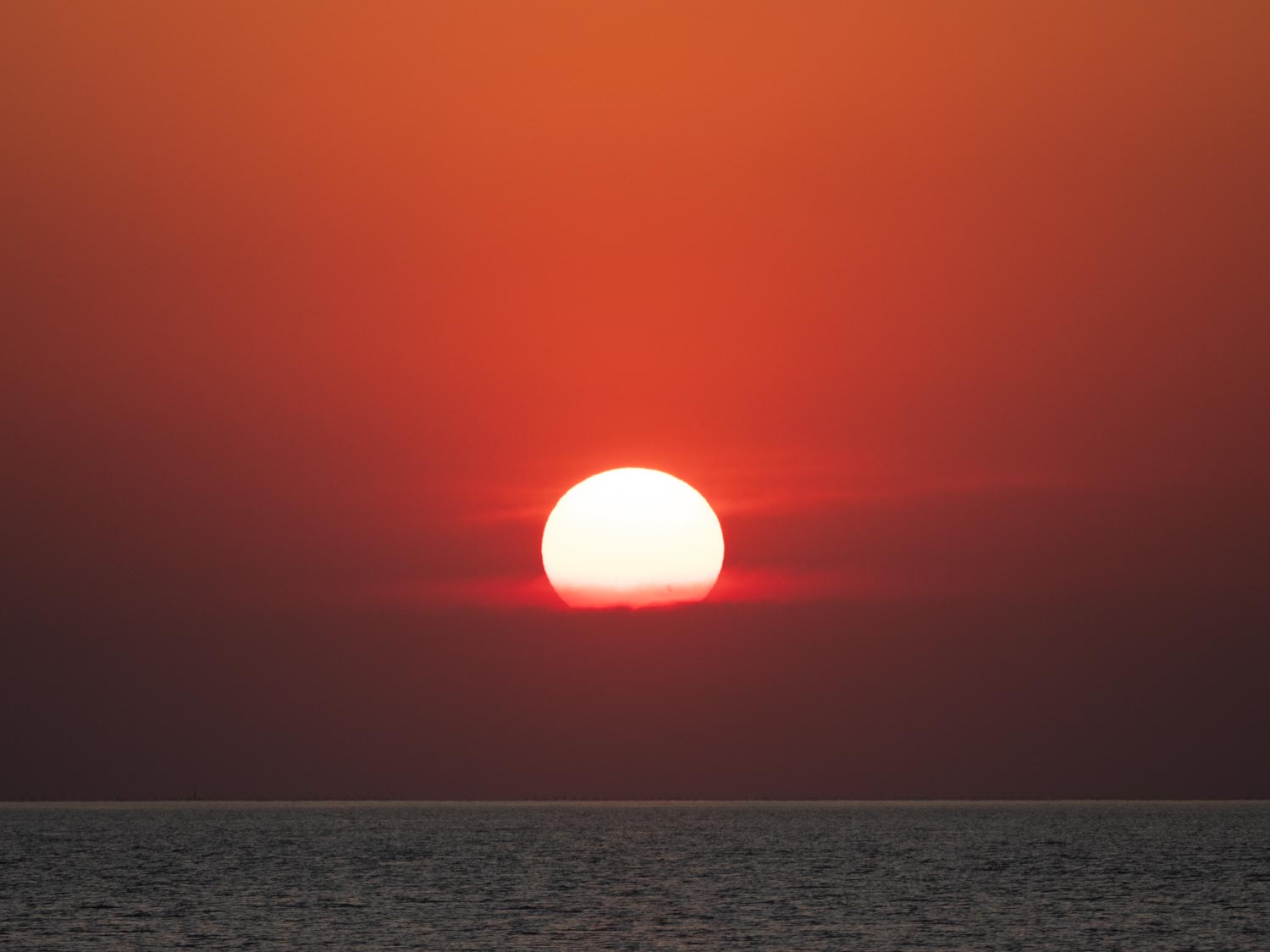
some evenings feel painted just for you
the air is different
the sea changes the light
ocean air is full of tiny salt crystals
they float, scatter, shimmer
they bend sunlight in softer ways than inland air ever can
salt makes the colors bloom
it stretches the pinks
it deepens the gold
it slows the moment down
and the salt gets everywhere
on your skin
on your lips
on your hair that suddenly becomes a confident sculpture
you look at yourself and think
okay, this is chaotic, but cute
the sea nods approvingly
vapor makes the sky glow
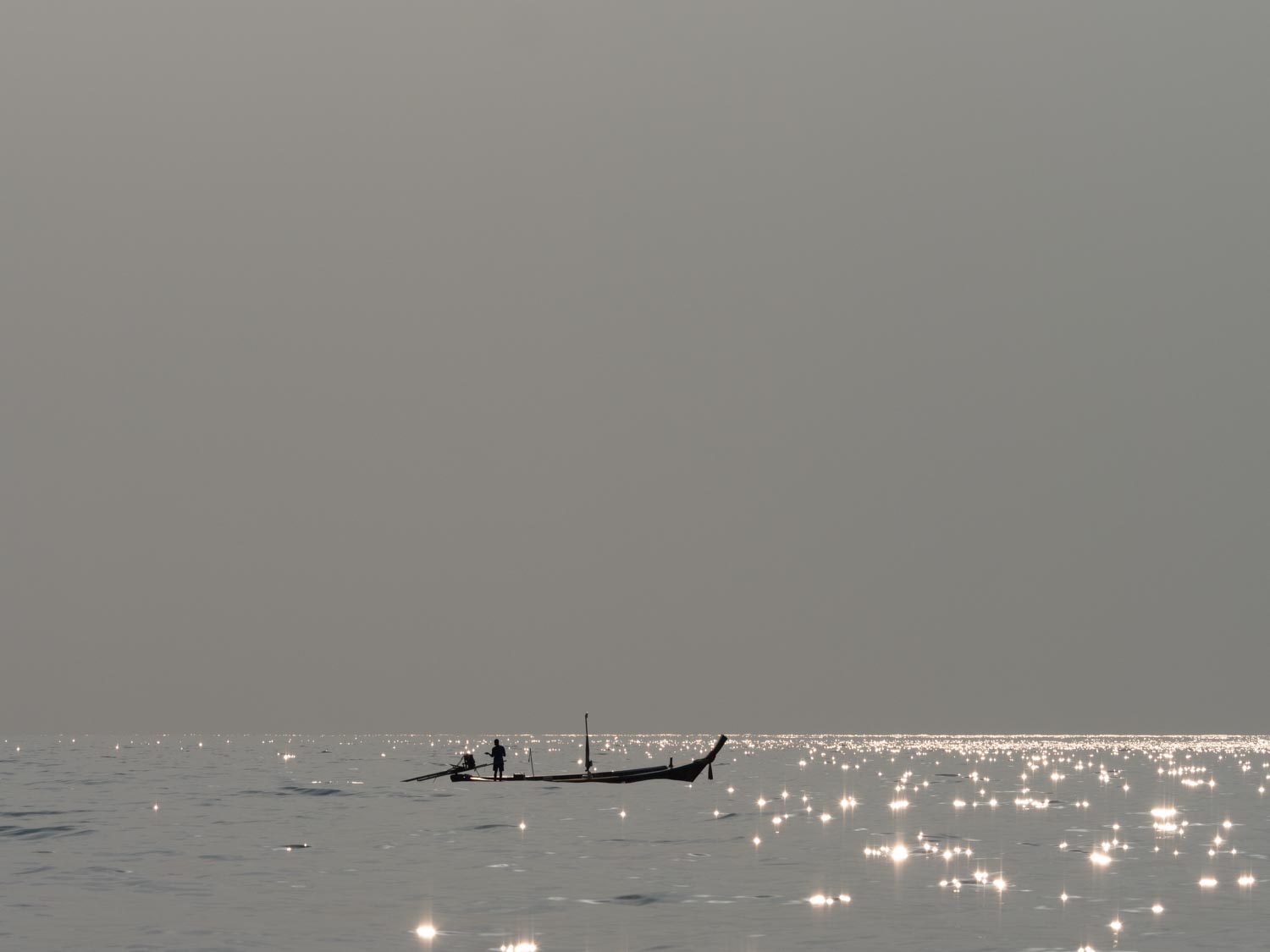
warm water breathes into the sky
all day, the ocean quietly sends warm vapor upward
like a giant steaming cup of tea
a very dramatic cup of tea
the kind that sighs loudly for attention
when the sun drops, that vapor becomes a soft filter
it spreads the light wider
it makes the sky look bigger than it really is
that is why sunsets at the beach feel like they wrap around you
like the horizon is opening its arms
like the world is saying
come here, you have survived enough group chats today
and you listen
because the sea is the only thing allowed to be this dramatic without being judged
the sun is actually white
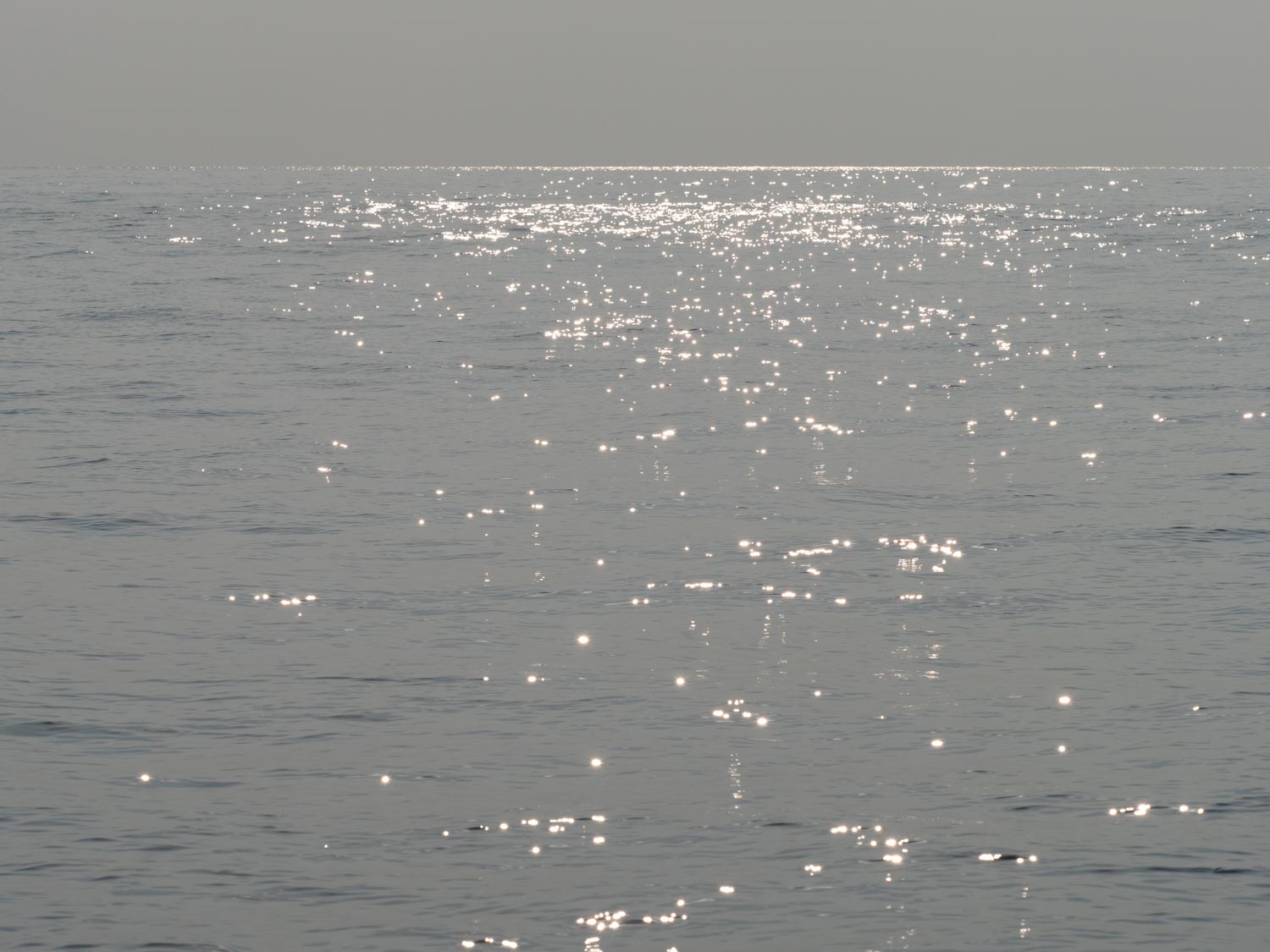
color is a story the air tells
the sun itself is white
pure white
a perfect blend of every wavelength
but the air loves drama
it scatters the blue first
so the sun looks yellow during the day
then, when the sun sits low and the light travels through thicker air
the blue disappears completely
what is left is the warm stuff
the oranges, the reds, the colors that make you whisper wow
even when you promised yourself you would be calm today
more air, more scattering, more warmth left behind
it is not magic
it is physics wearing a beautiful dress
and honestly, physics has never looked better
ocean salt makes sunsets even more amazing
the sea adds its own sparkle
salt in the air acts like tiny floating prisms
little crystals drifting around
catching sunlight
scattering it in softer, warmer ways
it is like the ocean is doing light editing for the sky
a gentle filter
a natural glow up
the kind you wish your phone camera had
salt makes the warm colors stretch longer
it softens the edges of the light
it adds a shimmer you do not get inland
unless someone is frying something nearby
and that is not the same vibe
at the beach, the salt lifts the colors
it lifts your mood
it lifts everything
except your hair
which it lifts too much
but we forgive it
colors last longer
the sea refuses to let the day end quickly
salt and vapor scatter blue light first
what remains is the warm spectrum
the oranges, the reds, the blush pink that feels like a secret
because the air above the ocean is cleaner
the colors do not fade fast
they linger
they wait for you
they give you time to take twenty photos
and then delete nineteen
because the first one was already perfect
but you did not trust yourself
the sea understands
it gives you extra minutes
just to make sure you get your moment
the horizon is honest
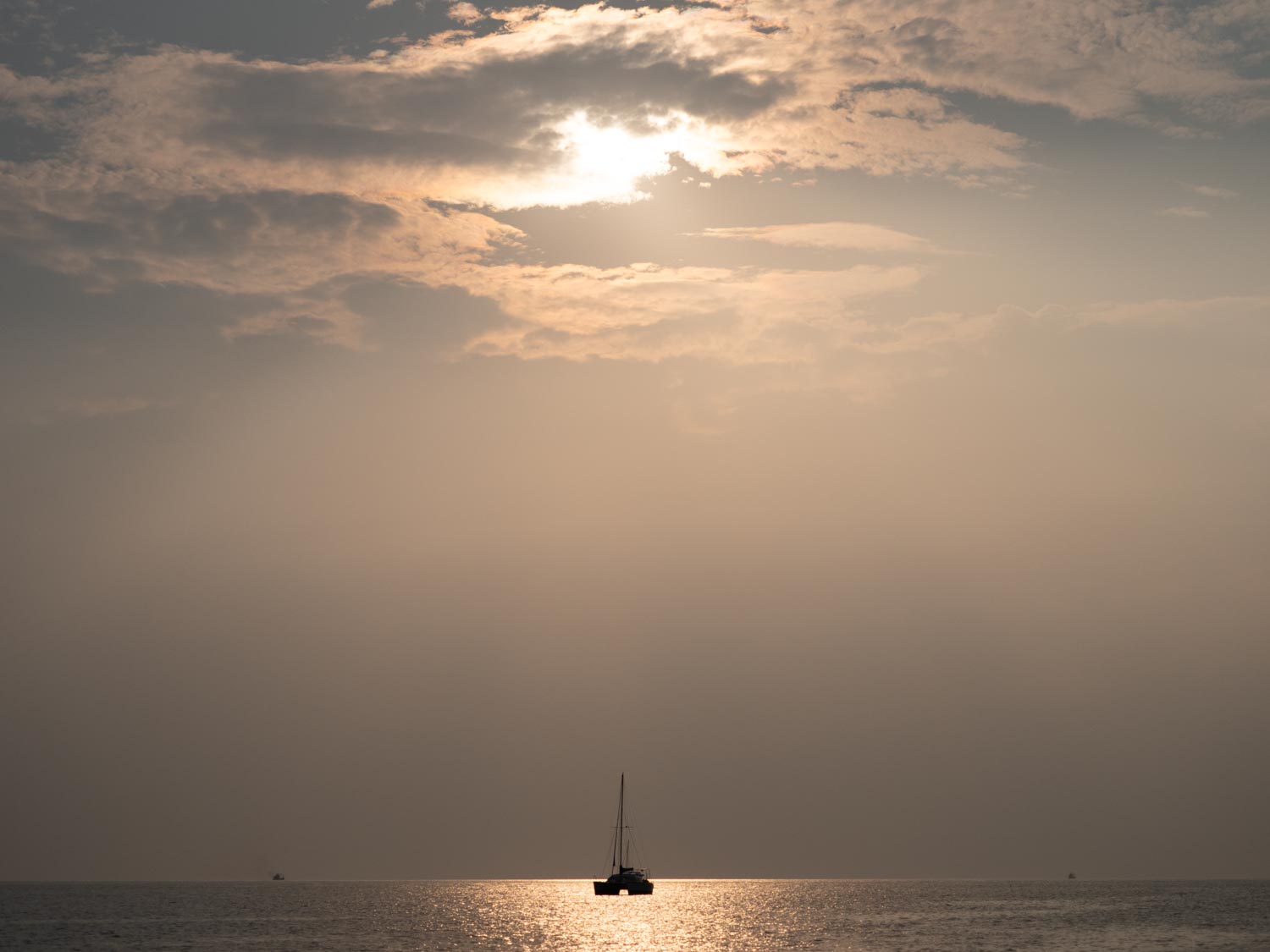
nothing blocks the truth of the sun
no buildings
no mountains
no electric poles trying to photobomb your moment
just a clean line where sky meets water
a horizon that minds its own business
a horizon that does not need attention
but somehow gets all of it
your eyes get the full story of the sunset
every second
every shift
every breath of color
and if someone walks into your shot
at least they look tiny and poetic
not like the guy in the city park
who always stands exactly where the sun should be
as if he is the main character
the sea reflects everything
the ocean doubles the beauty
the water becomes a second sky
a mirror that moves
a mirror that breathes
every wave catches a different shade
every ripple holds a different moment
it is like watching two sunsets at once
sometimes the reflection is so pretty
you forget which one is the real sky
you just stand there
squinting
pretending you understand nature
while secretly thinking
this would make a great lock screen
and the sea does not judge
it knows you are doing your best
compared to land
some sunsets work harder than others
land sunsets try
they really do
but they have obstacles
buildings
billboards
wires
trees that suddenly grow taller the moment you take out your phone
the air inland is heavier
dustier
full of tiny particles that scatter light in a harsher way
the colors fade faster
the glow feels thinner
the moment feels shorter
and the horizon
it is never where it should be
it hides behind rooftops
it ducks behind hills
it plays hide and seek
and wins every time
even when the colors are beautiful
you are still negotiating with traffic
mosquitoes
and that one person who decides to stand exactly in front of you
just as the sun turns perfect
land sunsets are lovely
but ocean sunsets are generous
they give you space
they give you air
they give you a front row seat
without asking for anything in return
and maybe, it is also you
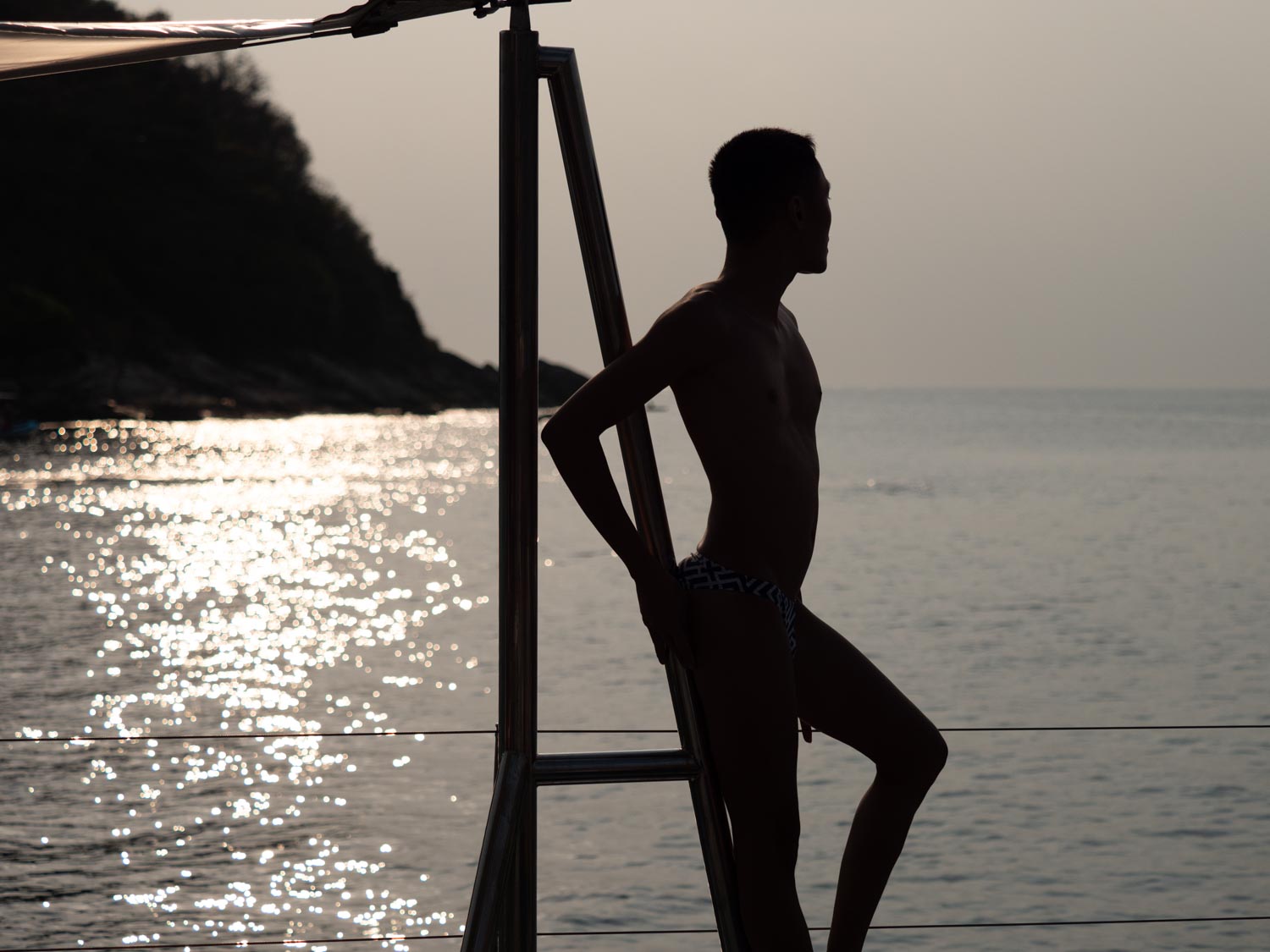
you are softer at the sea
at the beach, you are already open
already lighter
already breathing deeper
your shoulders drop
your thoughts slow down
your heart remembers it has a gentle mode
you stop rushing
you stop overthinking
you stop checking your phone
because the sky is doing a better job than any notification ever could
so when the sun melts into the water
you feel it more
you let it in
you let it stay
and maybe that is the real reason ocean sunsets feel amazing
not just the salt
not just the vapor
not just the physics in a beautiful dress
it is you
you are different here
you are the final ingredient
the sunset knows it
the sea knows it
and deep down
you know it too