learning Thai through the quiet, colorful world beneath the waves.
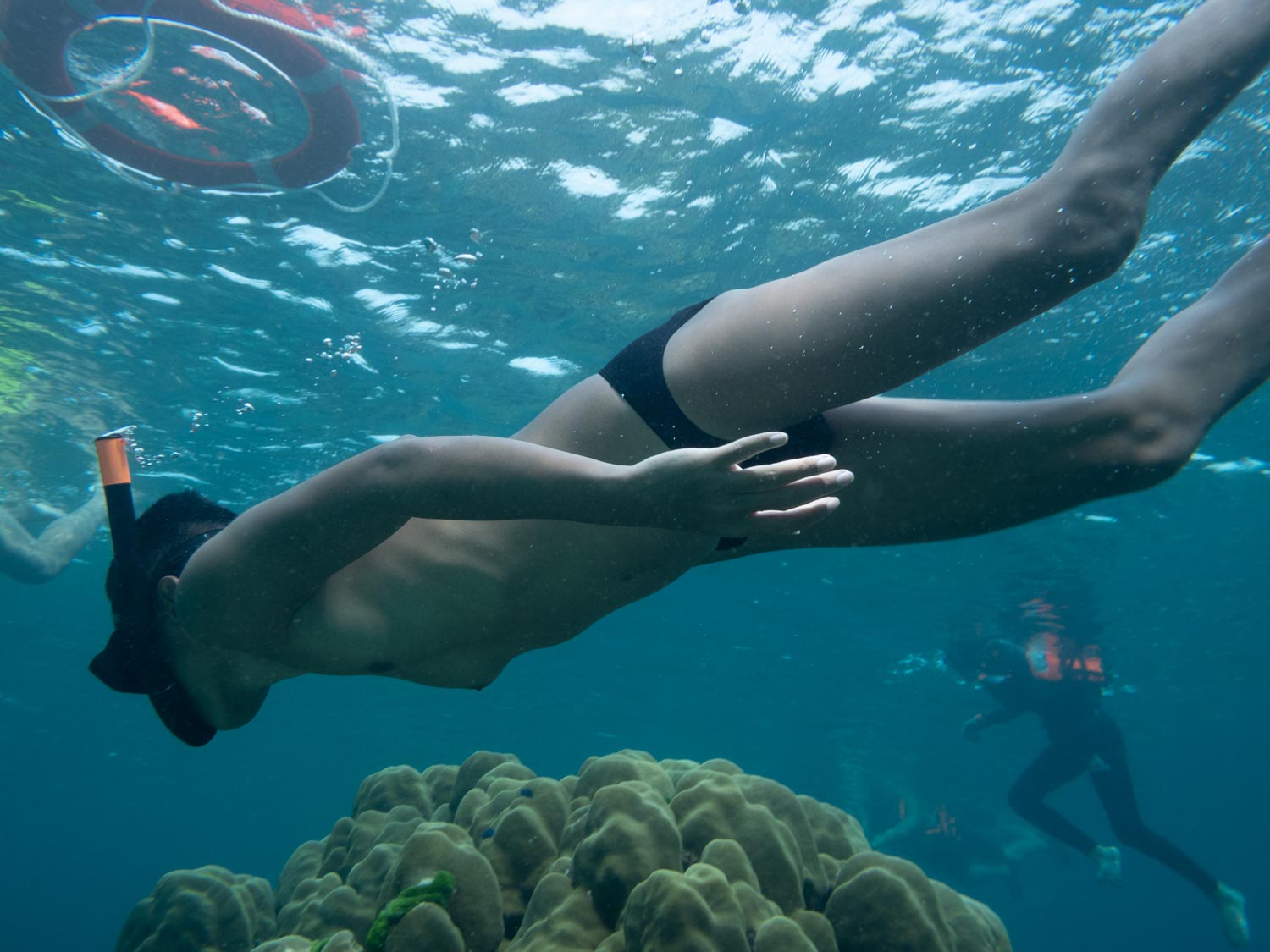
There’s something magical about learning Thai in the middle of the sea. No notebooks, no pressure, no memorizing—just sunlight, salt water, and a few soft words that drift into your day the same way the tide does.
When you island hop, Thai doesn’t feel like a language lesson. It feels like a friend whispering gentle hints as you float above coral gardens.
Some words arrive from the boat crew. Some rise from the water itself. And some stay with you forever because they’re tied to moments you’ll never forget.
🐠 The gear that begins the journey
Before your face even touches the water, the first Thai words appear in your hands.
- หน้ากาก — naagaak (mask)
- หน้ากากดำน้ำ — naagaak damnam (snorkel mask)
- ท่อหายใจ — tor haaijai (snorkel tube)
- ตีนกบ — dteen gop (fins)
- เสื้อชูชีพ — suuea chuuchip (life jacket)
- เรือ — reuua (boat)
- บันไดเรือ — bandai reuua (boat ladder)
- ถุงกันน้ำ — tung kannam (waterproof bag)
The guide hands you your mask and says softly,
“ใส่หน้ากากนะ — sai naagaak na.”
That tiny นะ — na makes everything warm. It’s not a command. It’s care.
The moment I put on my naagaak damnam, the world turns quiet—ngiap—and the sea begins to teach me slowly, chaa chaa.
🌊 The water has its own vocabulary
The sea has moods, and Thai has perfect words for each one.
- น้ำ — naam (water)
- น้ำตื้นนะ — nam tuen na (shallow water, it’s safe)
- น้ำลึกนะ — nam leuk na (deep water, be careful)
- ใส — sai (clear)
- ขุ่น — khun (murky)
- คลื่น — khluen (wave)
- คลื่นแรง — khluen raeng (strong waves)
- คลื่นเบาๆ — khluen bao bao (gentle waves)
- ลมเย็น — lom yen (cool breeze)
- กระแสน้ำ — grasae naam (current)
- อ่าว — aao (bay)
- หาด — haat (beach)
- ทราย — saai (sand)
When the boat stops in a quiet bay, someone smiles and says,
“น้ำตื้นนะ” — the water is shallow, come in.
It feels like the sea is inviting you personally.
And when you drift toward the reef edge, the blue deepens and a gentle voice says,
“น้ำลึกนะ” — the water is deep, be careful.
It’s not a warning. It’s protection.
Some bays whisper nam tuen na, and suddenly the whole day feels safe and soft.
🐟 The underwater world speaks in Thai
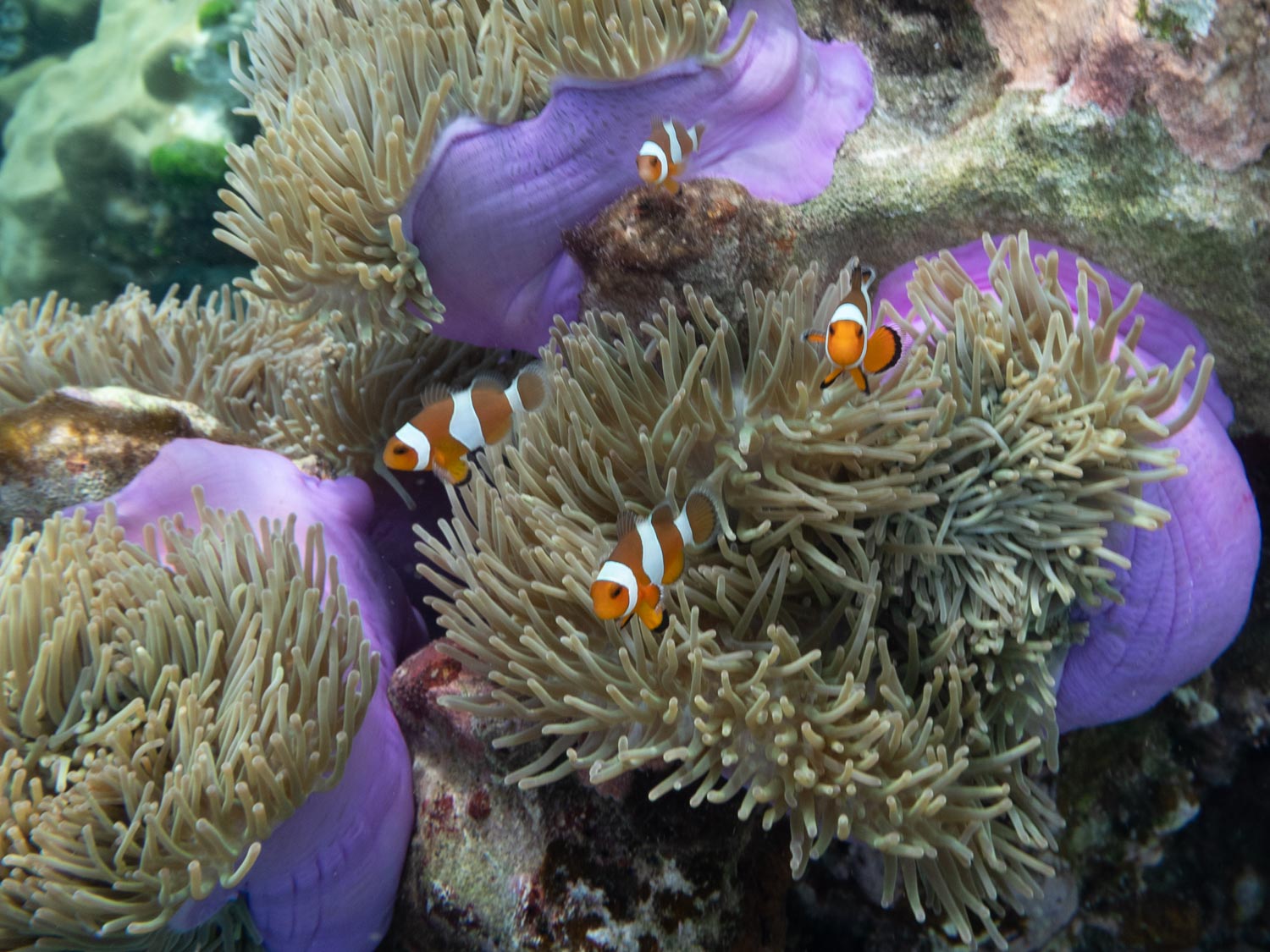
Once your face is in the water, the vocabulary becomes alive and colorful.
- ปลา — bplaa (fish)
- ปลาน้อย — bplaa noi (little fish)
- ฝูงปลา — fuung bplaa (school of fish)
- ปลาการ์ตูน — bplaa gaatoon (clownfish)
- ปลานกแก้ว — bplaa nokgaew (parrotfish)
- ปลากระเบน — bplaa graben (stingray)
- ปลาหมึก — bplaa muek (squid)
- ดาวทะเล — daao talay (starfish)
- ปะการัง — pakaarang (coral)
- ดอกไม้ทะเล — dokmai talay (sea anemone)
- หอยเม่น — hoi men (sea urchin)
- หอย — hoi (shell)
- เต่า — dtao (turtle)
- ฉลาม — chalaam (shark)
Every word feels like a tiny discovery.
Bplaa is soft and round, like the fish themselves.
Pakaarang sounds textured, like coral.
Daao talay feels like a star shining underwater.
A curious bplaa gaatoon swam past and I almost said naaruk jang out loud.
🌤️ The way you move becomes part of the language
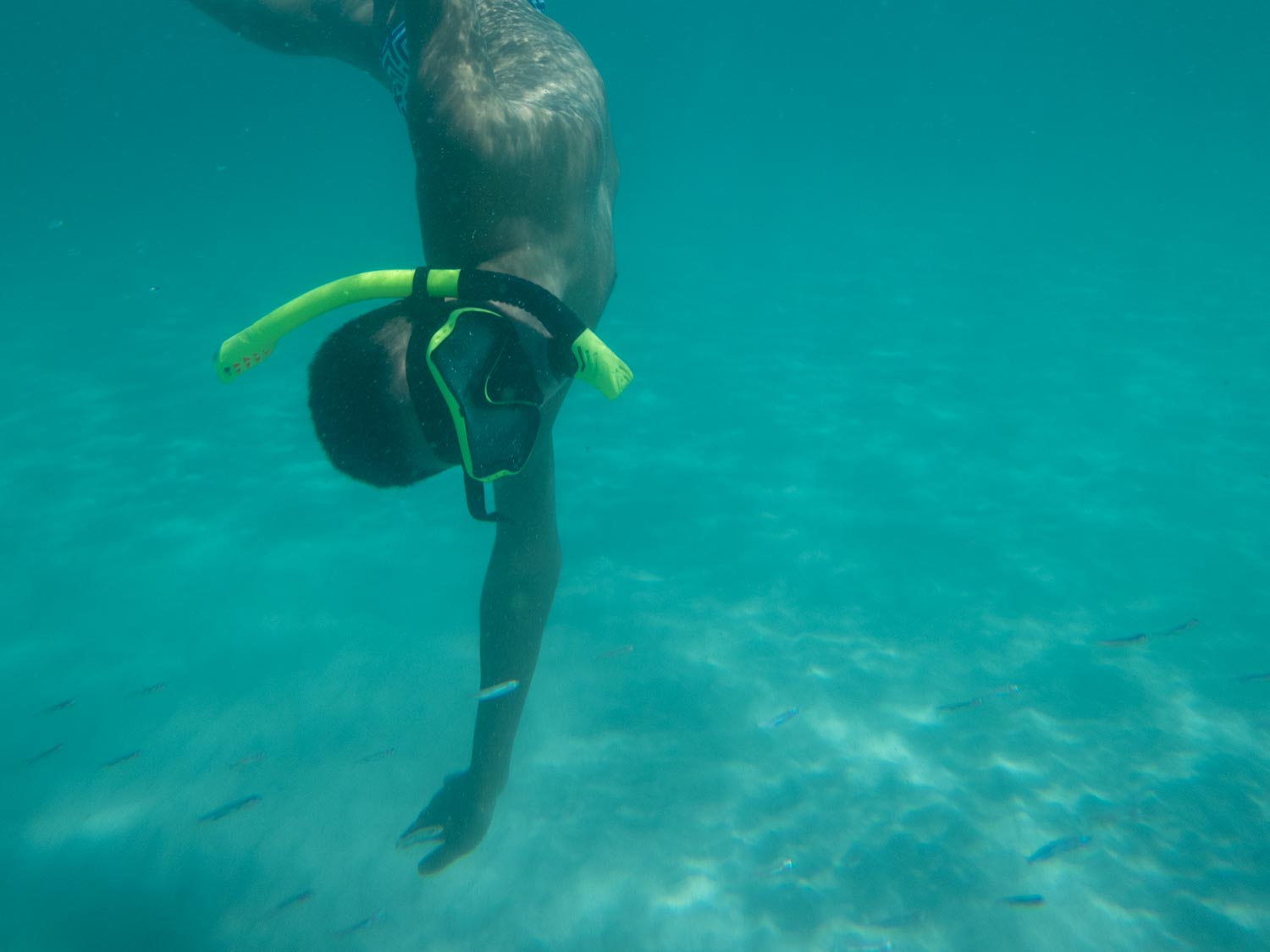
Snorkeling is slow, gentle, and Thai matches that softness perfectly.
- ลอย — loi (float)
- ว่าย — waai (swim)
- ดำน้ำ — damnam (snorkel / dive)
- ช้าๆ — chaa chaa (slowly)
- เบาๆ — bao bao (gently)
- นิ่งๆ — ning ning (stay still)
- ลึก — leuk (deep)
- ตื้น — tuen (shallow)
- เงียบ — ngiap (quiet)
- เย็น — yen (cool)
When the guide says,
“นิ่งๆ นะ — ning ning na,”
it feels like the ocean asking you to melt into the moment.
Floating loi above the pakaarang, I learn that silence has its own language.
🌙 The feelings that stay with you
Some Thai words feel like the ocean itself.
- สบาย — sabaai (comfortable)
- สบายใจ — sabaai jai (peaceful)
- สวยมาก — suai maak (very beautiful)
- ดีมากเลย — dee maak loei (so good)
- นุ่ม — num (soft)
- อุ่น — oon (warm)
- เย็น — yen (cool)
- ดีจัง — dee jang (so nice)
- น่ารัก — naarak (cute)
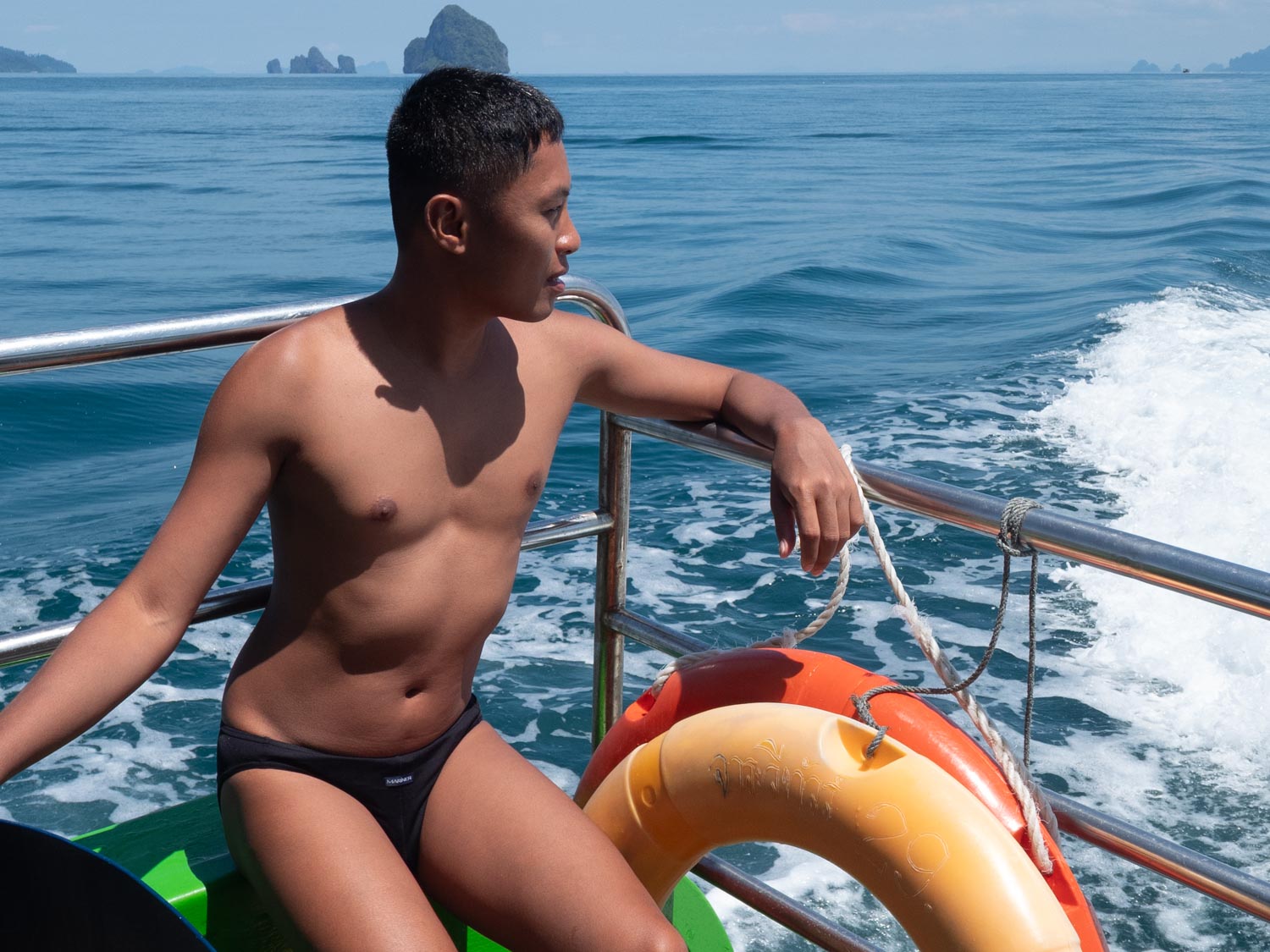
There’s a moment after snorkeling when you sit on the boat, hair dripping, sun warming your shoulders, and everything feels sabaai jai. Peaceful in a way English can’t quite hold.
“The sea was nam sai, the breeze lom yen, and the world so gentle that even damnam felt like a meditation.”
🛶 The soft language of boat life
Island hopping has its own rhythm, and Thai fits perfectly into it.
- ขึ้นเรือ — kʉn reuua (get on the boat)
- ลงเรือ — long reuua (get off the boat)
- จับตรงนี้ — jap trong nii (hold here)
- ระวังนะ — rawang na (be careful)
- ถึงแล้ว — thueng laew (we’ve arrived)
- ไปเกาะ… — bpai gor… (go to island…)
- พร้อมไหม — phrom mai (ready?)
“When someone says jap trong nii na, it feels like kindness in the shape of a sentence.”
🐚 The sea becomes your teacher
Floating above the reef—pakaarang—watching a fuung bplaa shimmer like silver rain, you start to understand that Thai and the ocean share the same softness.
Damnam becomes a feeling, not a verb.
Nam sai becomes a memory, not a description.
And nam leuk na becomes a reminder that the sea is deep, beautiful, and alive.
Some parts of the ocean say nam tuen na, some say nam leuk na, and both feel like the sea taking care of me in its own quiet language.
Learning Thai underwater isn’t about vocabulary.
It’s about noticing.
It’s about slowing down.
It’s about letting the sea teach you one gentle word at a time.