Barn Swallows near my home. The grace of wings at the edge of the day.
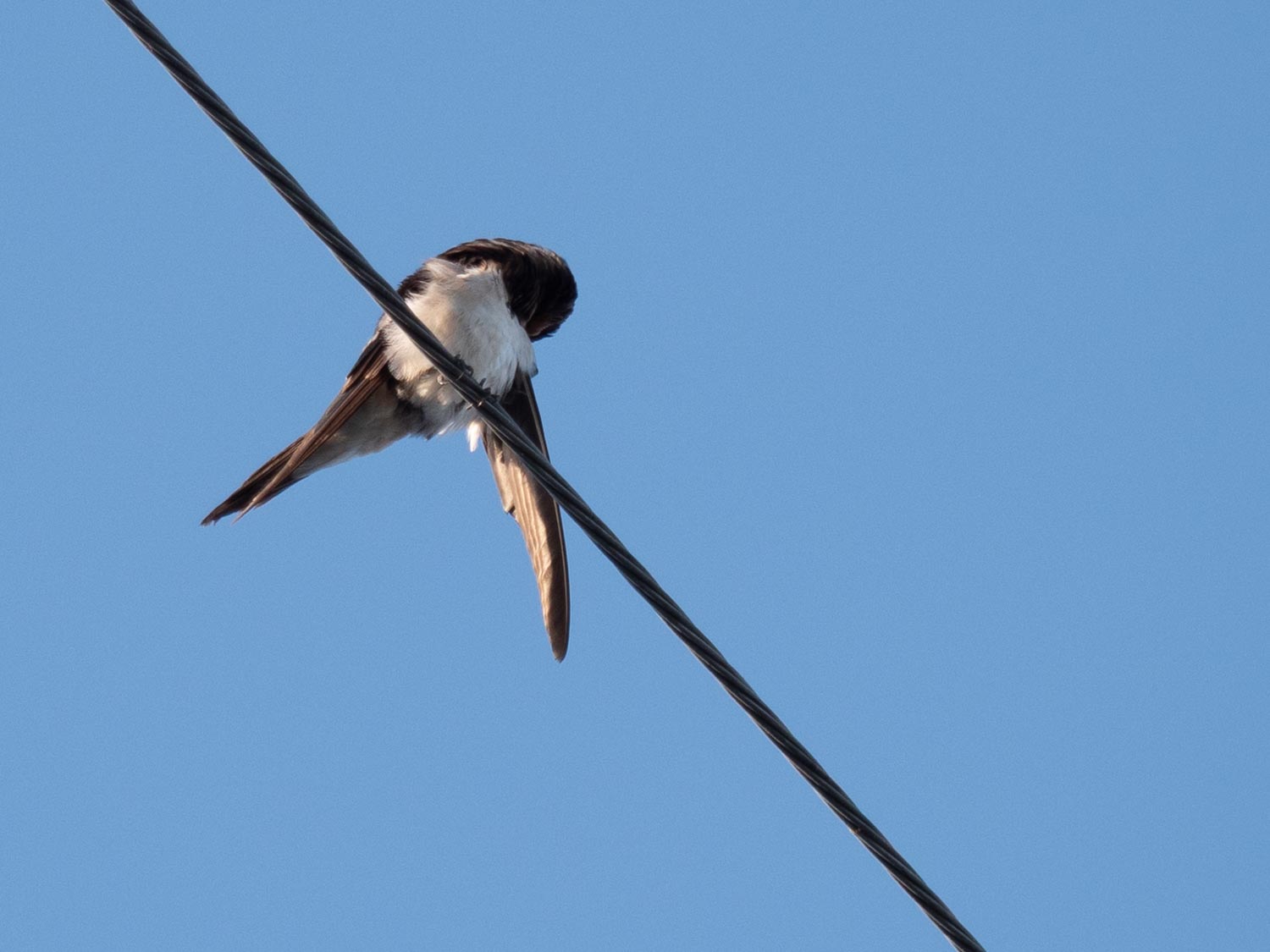
A neighbor in motion
Every warm season, just as the light softens over Lat Sawai and the air begins to shimmer with insects, the barn swallows return. They arrive like a familiar melody, quick, darting silhouettes stitching the sky with effortless arcs. Though they are among the world’s most widespread swallows, seeing them near home feels intimate, almost personal, as if the neighborhood itself has been chosen for its quiet charm and open skies.
Barn swallows (Hirundo rustica) are instantly recognizable:
- Steel‑blue upperparts that catch the sun
- Rufous forehead and throat, warm as late‑day light
- Cream to buff underparts, varying by region
- A deeply forked tail, long and elegant, trailing behind them like a signature stroke in the air
When they sweep low over the soi or skim the surface of a nearby canal, they are doing what they do best—aerial foraging, catching insects in flight with astonishing precision.
Klog 4
Barn swallows are birds of open country, thriving in landscapes with fields, water, and human structures. They once nested in caves, but today they build their mud cup nests almost exclusively on buildings: barns, bridges, porches, and beams.
In neighborhoods like Klog 4, they find: open spaces for hunting. Mud sources for nest building. Wires and rooftops for resting.
Human tolerance. Sometimes even affection. Their presence is often welcomed. For generations, people have believed that a swallow nesting on your home brings good fortune, protection, and the promise of return.
Daily life above the street
In the early morning, before the heat rises, the swallows begin their dance. They fly low, sometimes just inches above the ground or water, chasing the day’s first insects. Their calls, dry, scratchy “svit svit” notes—ripple through the air.
By midday, they perch on wires, preening or resting in loose flocks. Sometimes older juveniles help feed new chicks, a rare example of cooperative breeding among small birds.
Travelers of the world
Visitors to our homes. Though they feel like local residents, barn swallows amigrantsre global migrants, breeding across the Northern Hemisphere and wintering throughout much of the Southern Hemisphere. Their journeys span thousands of kilometers, linking continents in a cycle older than any city or road.
That they choose to pause near our homes, on our wires, under our eaves, feels like a quiet honor.
A symbol of renewal
Across cultures, barn swallows symbolize hope and safe return. Seasonal renewal. And good luck and harmony. Their arrival each year is a reminder that the world is still turning, that nature still threads its patterns through our daily lives. To watch barn swallows near home is to witness grace in motion, small bodies carving vast arcs, stitching together sky, season, and place. They are global wanderers, yet they choose to live alongside us, building their nests under our roofs and filling our mornings with movement.
In their presence, the ordinary becomes poetic: a wire becomes a perch, a puddle becomes a construction site, and the sky becomes a canvas for flight.